Step 1: Initial Assessment
The process begins with a comprehensive evaluation of your bicycle's current condition. This assessment identifies specific needs and determines the appropriate preparation approach.
Documentation is created during this stage, recording frame type, component specifications, and any existing conditions that require attention. This information guides the preparation process.
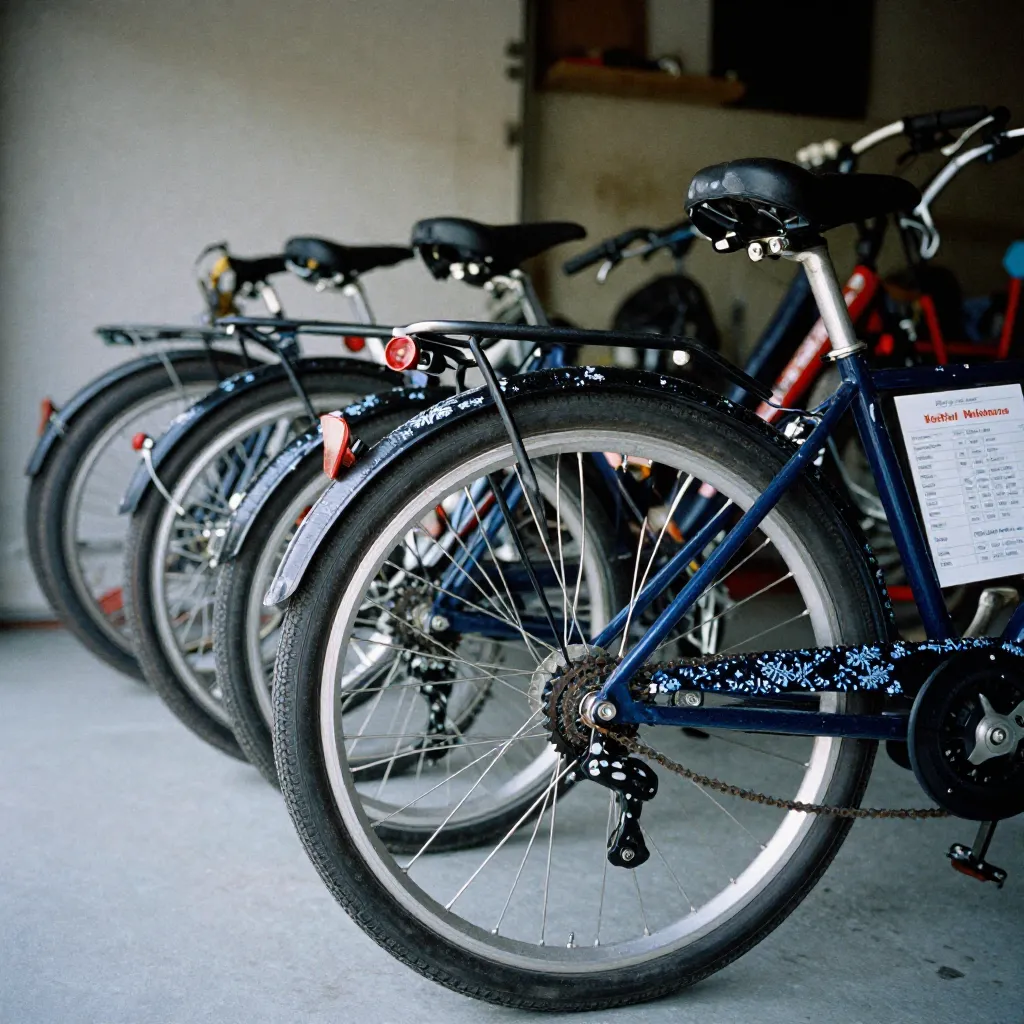
Step 2: Preparation Phase
Cleaning
Thorough cleaning removes dirt, debris, and contaminants that could cause issues during storage. All surfaces are prepared for protective treatment.
Component Check
Moving parts are inspected and tested to ensure proper functionality. Any adjustments needed are made before storage begins.
Protective Application
Appropriate protective treatments are applied based on frame material and component types. This prevents corrosion and maintains condition.
Step 3: Storage Placement
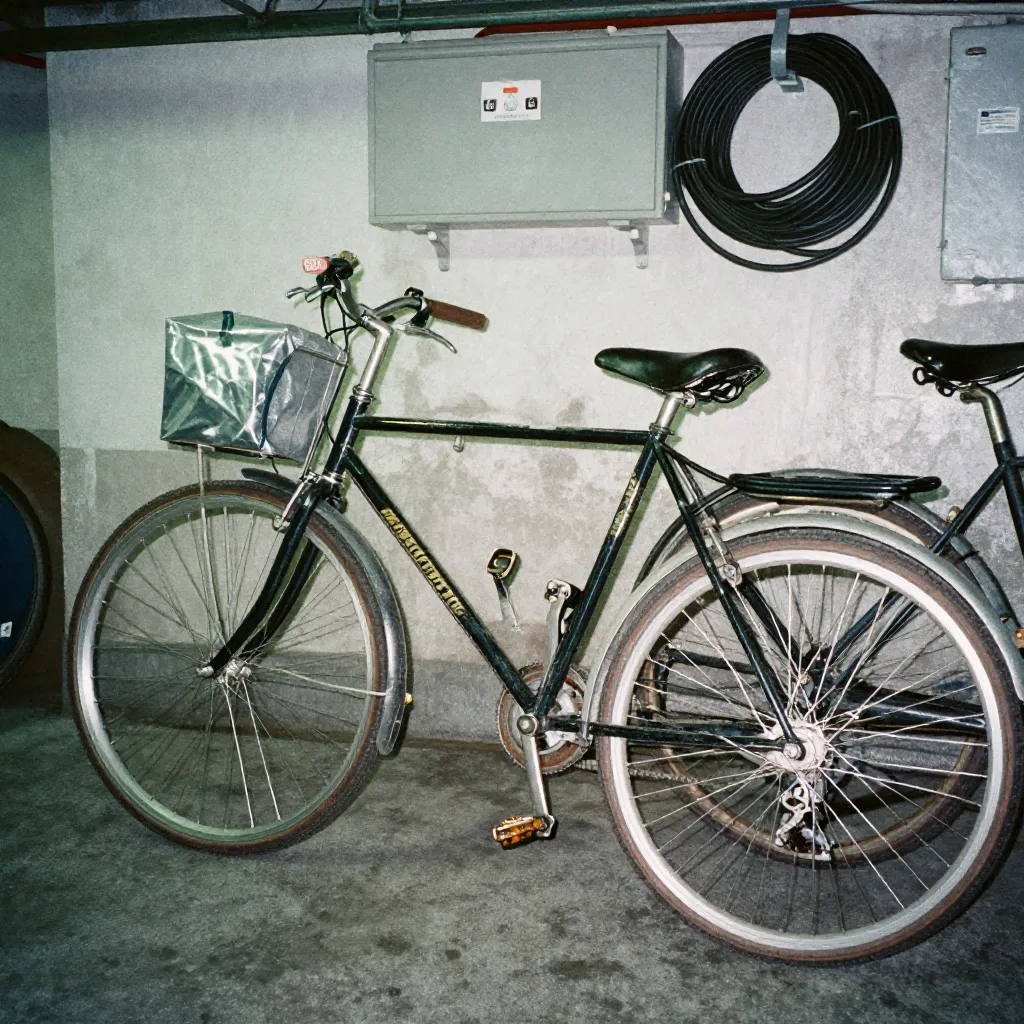
Bicycles are positioned in our controlled storage environment using systematic placement methods. Each bicycle is secured and positioned to maximize protection and space efficiency.
The storage position is selected based on bicycle size, frame type, and storage duration. Environmental conditions are verified before final placement.
Step 4: Monitoring Period
Throughout the storage period, regular inspections ensure continued protection. Condition checks verify that protective treatments remain effective and no issues have developed.

Scheduled Inspections
Periodic visual inspections track bicycle condition and verify storage environment remains optimal.
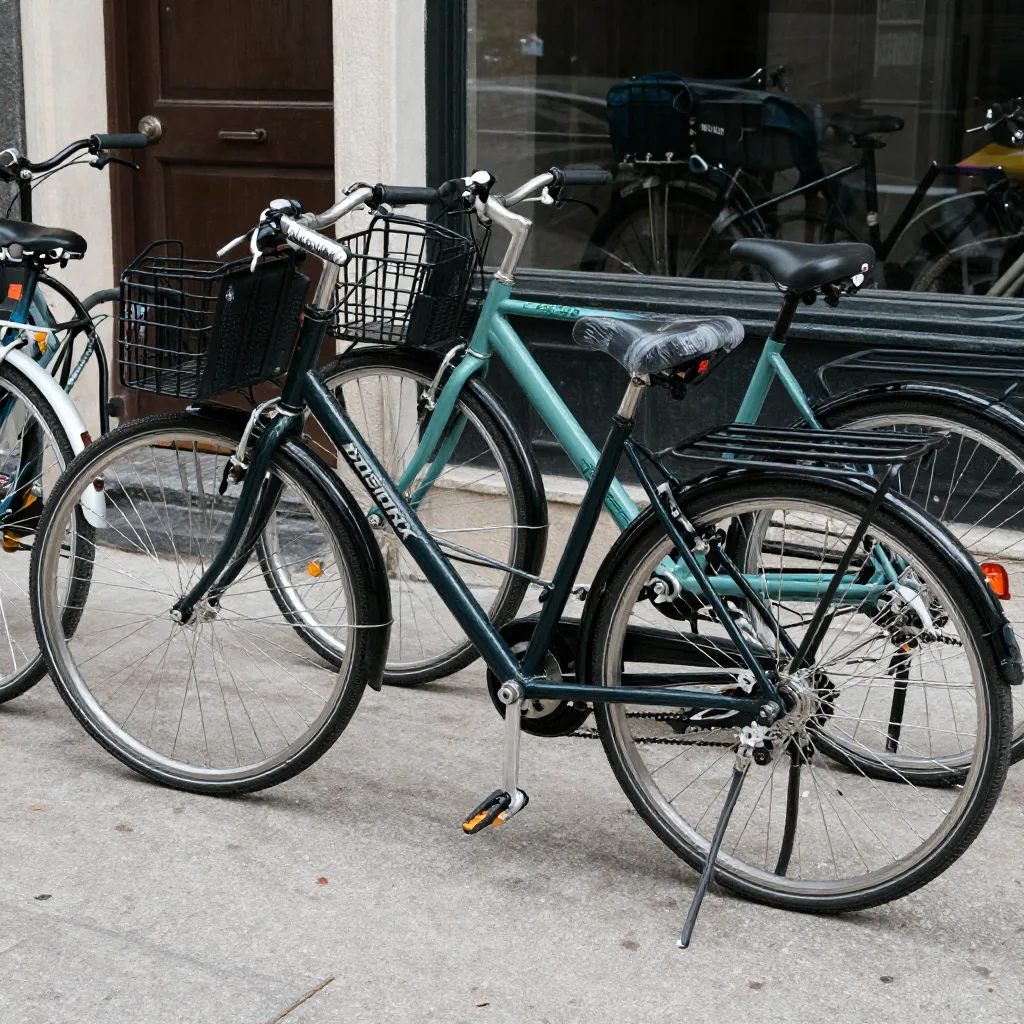
Condition Tracking
Detailed records document bicycle status throughout storage, providing complete condition history.
Step 5: Retrieval Preparation
When storage concludes, bicycles undergo final preparation for active use. Components are tested, adjusted, and cleaned to ensure immediate readiness for spring cycling.
Learn More